Without growth, there is no future: António Calçada de Sá’s warning for Portugal’s new economic cycle
Competitiveness, innovation and the energy transition depend on a country capable of growing, and growing fast
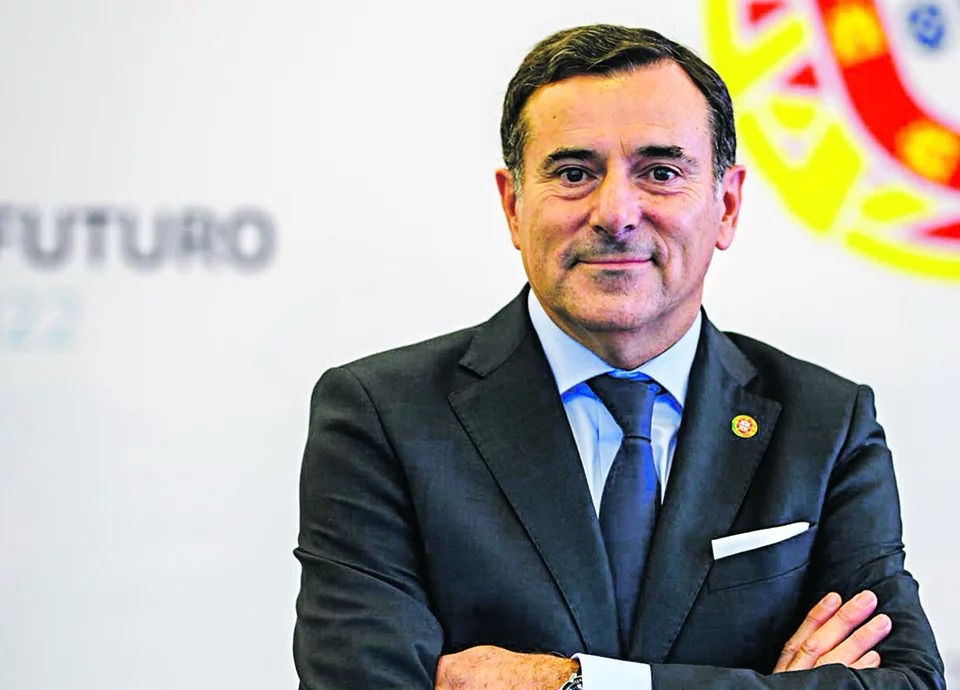
Portugal stands at a moment where the ambitions of the twenty-first century collide with an economy growing too slowly to sustain its future. The message, clearly expressed by António Calçada de Sá, vice-president of the Repsol Foundation, is direct. Without economic growth, there is no social, corporate or national longevity.
The country faces structural challenges that have held back productivity, investment and global competitiveness. For Calçada de Sá, this stagnation places Portugal in a delicate position in a world increasingly driven by innovation, technology and the energy transition.
Economic growth is not optional. It is a condition for survival
Innovation, digital transformation and the shift towards sustainable models require substantial investment. That investment only becomes possible in economies that grow. According to Calçada de Sá, ambition alone is not enough. Economic strength is essential. Companies that fail to invest and modernise eventually lose relevance in a global market that evolves every single day.
Energy transition: an urgent necessity and a financial challenge
Portugal is a frontline player in renewable energy, but faces a fundamental obstacle. Financing the transition requires far more than political intention. Calçada de Sá emphasises that there is no energy sustainability without economic sustainability. Growth is essential to fund clean technologies, modernise infrastructure, attract high-value industry and train specialised talent.
Without growth, Portugal risks falling behind in the race for the energy of the future.
Talent exists, but scale and ambition are still lacking
Calçada de Sá highlights that Portugal does not suffer from a lack of talent. On the contrary, it possesses highly qualified professionals and internationally recognised creative capacity. What is missing is an environment that allows this talent not only to remain in the country, but also to prosper.
This requires more competitive economic policies, stronger support for innovation, greater investment in technology and education, and a regulatory environment that attracts investment. Without these foundations, Portugal is likely to remain locked into a pattern of slow and insufficient growth.
The future demands courage and speed
Calçada de Sá argues that Portugal urgently needs a new economic cycle capable of breaking with the stagnation of recent years. In order to guarantee longevity for companies, families and society as a whole, the country must adopt a strategic, ambitious and growth-oriented approach.