A NEW BUSINESS LOGIC FOR BEAUTY SALONS
Inside the Autentis System created by Rafaela de La Lastra
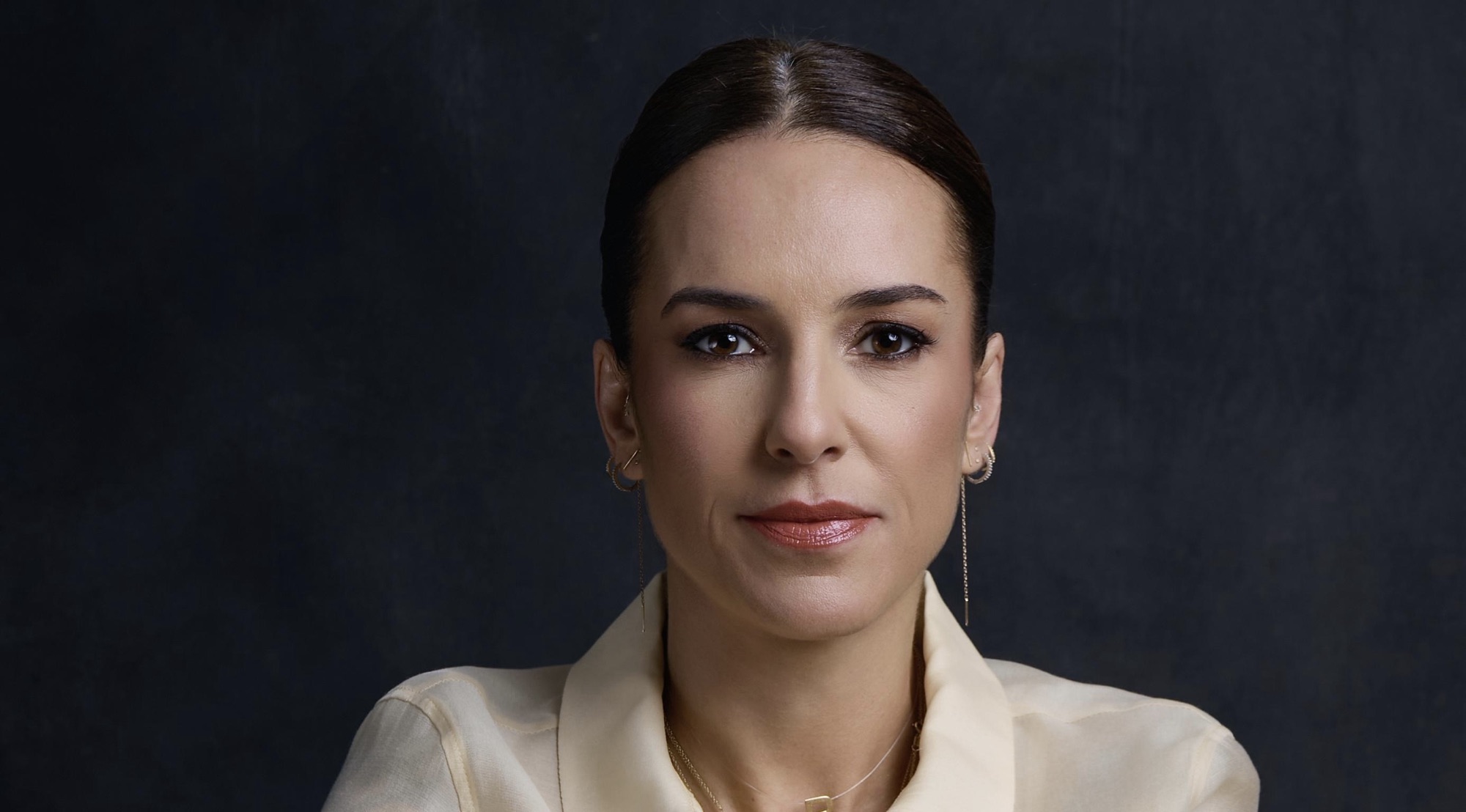
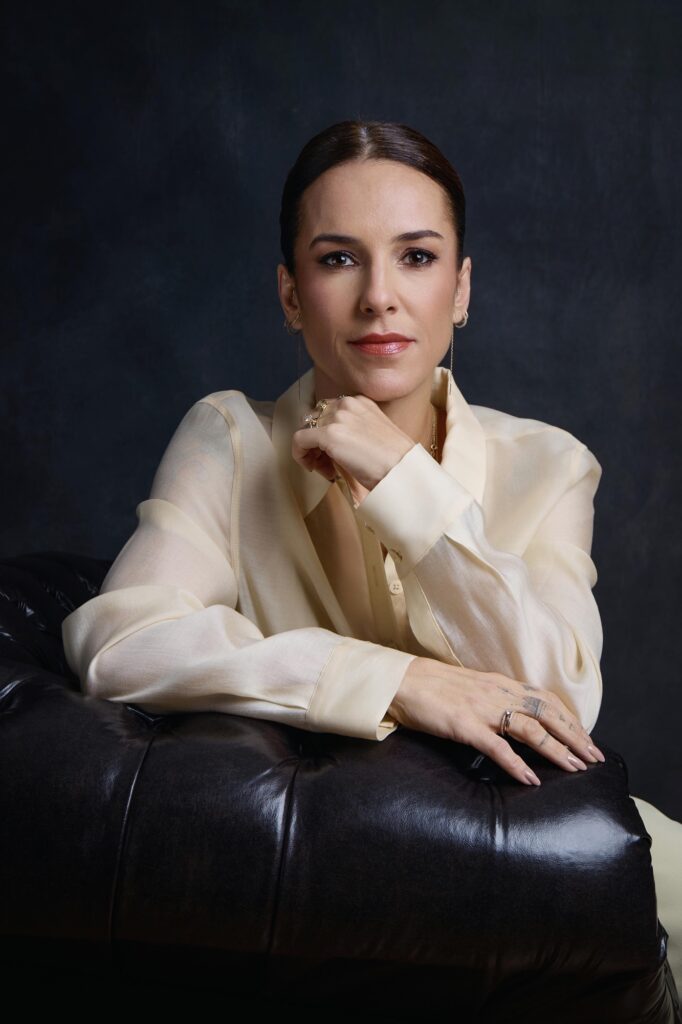
In an industry historically driven by artistic talent but often constrained by outdated business structures, Brazilian entrepreneur Rafaela de La Lastra proposes a new path. At 44, the third generation of a traditional family of hairdressers is reshaping how beauty salons operate, replacing the traditional commission model with a leaner and more autonomous system that is beginning to attract attention beyond Brazil.

Her proposal, known as the Autentis System, replaces the commission structure that has dominated the sector for decades with a model based on fixed rental agreements for workstations. What began as an internal operational adjustment during the pandemic evolved into a structured methodology that has now been adopted by more than 100 students in Brazil and in five other countries, according to figures released in March 2026.
A legacy rooted in beauty, driven by change
Rafaela de La Lastra grew up surrounded by mirrors, salon chairs and the intense rhythm of the beauty world, representing the third generation of a family deeply connected to the industry. She is the daughter of Rafael de la Lastra, one of the most respected hairdressers of his generation, born in Spain, who opened one of Brazil’s largest salons in the 1960s on the renowned Bela Cintra Street in São Paulo.
Although the artistic side of the profession was always present, Rafaela gradually became aware of the structural challenges that existed behind the scenes. Running a salon, she observed, meant dealing with financial complexity, disputes over commissions and increasingly expensive administrative structures.
Determined to strengthen her technical expertise, she pursued training at some of the most prestigious academies in the world. Among them are the Llongueras Academy in Spain, as well as internationally recognised institutions in London such as Tony & Guy and Vidal Sassoon. This international training consolidated her reputation as a high-level professional while broadening her perspective on how the business of beauty could evolve.
The pandemic as a turning point
The global crisis caused by COVID-19 exposed vulnerabilities across many sectors of the economy. Beauty salons were among the most affected. Mandatory closures, reduced services and falling demand placed enormous pressure on businesses that relied on the traditional commission-based model.
For Rafaela, this moment became a catalyst for transformation.
The traditional model required salons to manage complex financial flows, record every service to calculate commissions and maintain large administrative teams to monitor the operation. At a time when revenue was unstable, the fragility of this structure became even more evident.
Rather than gradually adapting the model, Rafaela chose to rethink the business logic entirely.
The Autentis System and a structural shift
At the centre of the Autentis System lies a simple but profound change. Instead of paying professionals a percentage for each service, specialists rent fully equipped workstations within the salon for a fixed monthly fee.
Hair chairs, treatment beds, carts and other equipment are rented through long-term agreements. Professionals maintain full control over their revenue, receiving payments directly from clients while managing their own invoicing and taxes.
The salon owner, in turn, receives predictable income from the rental agreements, ensuring business profitability. The monthly fee typically includes operational expenses such as the premises rent, water, electricity, reception services, cleaning and internet.
By eliminating the need to calculate and distribute commissions, the model significantly reduces administrative complexity. The traditional structure, involving managers handling financial disputes, assistants processing payments and centralised stock control, becomes unnecessary.
The result is a leaner operation, with lower costs and a far more transparent financial flow.
More than coworking: the hive concept
At first glance, the model may resemble a beauty coworking space. Rafaela, however, emphasises that the similarity is only superficial.
In traditional coworking environments, professionals may rent chairs for short periods without a rigorous selection process or integration between teams. This often leads to fragmented client experiences and limited collaboration among professionals.
The Autentis System follows a different logic.
Professionals are carefully selected to form a multidisciplinary team aligned with shared quality standards and professional values. Hairdressers, make-up artists, nail designers, estheticians and barbers share the same space while operating within a curated ecosystem.
Rafaela describes this structure as a “hive”, where each professional contributes to a broader network that encourages client referrals and complementary services.
Contracts are structured based on clear civil law principles, establishing rules of conduct, quality standards and operational guidelines. The aim is to create greater stability for the space owner, transparency for professionals and a consistent experience for clients.

A new generation of beauty entrepreneurship
For Rafaela de La Lastra, the Autentis System is not merely a financial adjustment. It represents a redefinition of the beauty salon as a sustainable business model.
The sector is undergoing rapid transformation. Digital marketing, the rise of independent professionals and the search for greater autonomy are reshaping how services are offered and consumed.
By reducing bureaucracy and bringing greater financial clarity to operations, Rafaela believes salons can refocus their energy on what truly sustains the industry: the quality of service and the client experience.
By combining family tradition, international training and the lessons learned during a global crisis, Rafaela de La Lastra positions herself as one of the voices advocating a new logic for beauty salons. Through the Autentis System, she believes the future of the sector lies in leaner operations, clearer relationships and a better balance between financial performance and quality of life for everyone involved in the chain.